
15 Biggest Gambling Countries: The Giants of the Global Gambling Market
Table of Contents
- Introduction
- Brief Overview of the Global Gambling Industry in 2026
- Why the Biggest Gambling Countries Matter
- Importance of Gambling in National Economies
- How We Compare the Biggest Gambling Markets
- The 15 Biggest Gambling Markets in 2026
- Gambling Market Comparison: Revenue and Key Drivers
- Gambling Culture Across Major Markets
- The Rise of Digital Gambling Giants
- The Future Outlook: Emerging Markets & Investment Opportunities
- Conclusion
- FAQ
Introduction
Gambling is becoming a significant business worldwide, generating billions of dollars. In many regions of the world, gambling is now easier to access and more popular because of new legislation and technology.
But some markets stand out because of their gambling revenue, player spending, market size, regulation, and industry development. This guide examines 15 of the world’s major gambling markets and explains what makes each one important.
Gambling has been played both in old-fashioned places like casinos and racetracks and new ones like mobile apps and online platforms.
Gambling is more than just entertainment; rather, it is also important for many countries’ economies. In several regions, proceeds from lotteries and betting are used to fund vital public initiatives, including education, healthcare, and infrastructure.
Current Market Stats
The global online gambling market is estimated at $97.7 billion in 2026 and is projected to reach $202.8 billion by 2033, growing at a CAGR of 11.0% from 2026 to 2033. The United States was the largest country-level market in 2025, while Europe accounted for more than 41% of global revenue.
Brief Overview of the Global Gambling Industry
How big is the global gambling industry?
The global gambling industry is a large and rapidly growing market valued at approximately US$655.31 bn in 2026, generated from different types of betting and gaming. It covers traditional activities like casinos, sports betting venues, lotteries, poker tournaments, and a fast-expanding online gambling software sector.
As technology advances with widespread mobile internet access and secure digital payment systems, gambling has become much easier and more convenient worldwide. This has helped the industry to reach newer audiences and grow faster than ever before.
Many countries are changing their gambling laws to allow more types of betting, helping the industry grow quickly. This has turned gambling into a multi-billion-dollar industry that supports national economies through job creation, tax generation, and tourism growth.
Gambling also shapes entertainment, with new games and platforms appearing to keep players interested. Overall, the global gambling industry is an important and fast-changing part of today’s economy and culture.
Right now, you might wonder what I gain from knowing about the top gambling markets in the world. Reading further can help you find the answer to this.
Why the Biggest Gambling Countries Matter
Also, the rules and laws these countries create often become examples for others to follow. For example, how the U.S. or the U.K. handles online betting, responsible gambling, or taxes can influence gambling laws in other countries.
What influence can countries have on gaming landscapes? Culturally, these countries help make gambling more accepted as a form of entertainment. Their importance extends beyond the money they generate; they shape how gambling grows, is viewed, and remains sustainable globally.
Importance of Gambling in National Economies
A lot of money comes from gambling, and it helps countries grow in many ways. Here are some key points:
2. These funds support public services such as healthcare, education, and infrastructure.
3. Countries like the United States and Australia, along with regions like Macau, earn billions annually from the gambling industry.
2. Employment spans casino operations, game development, marketing, regulation, and customer support.
3. It also drives indirect job growth in tourism, hospitality, and technology sectors.
2. Gambling tourism boosts local businesses and drives infrastructure improvements.
3. Cities like Las Vegas and Macau heavily depend on casino-driven tourism revenue.
2. Technological advancements modernize the gaming experience and improve accessibility.
3. This digital growth also contributes to broader development within the tech industry.
2. Major gambling companies are publicly traded, contributing to stock market activity.
3. Cross-border operations promote global trade and international business collaboration.
2. Governments can promote responsible gambling practices to safeguard consumers.
3. Overall, gambling supports economic growth through revenue, jobs, innovation, and investment while encouraging structured legal oversight.
Overall, cryptocurrency gambling software contributes to economies through revenue, employment, tourism, technology, and investment, although these benefits depend on effective regulation and consumer protection.
How We Compare the Biggest Gambling Markets
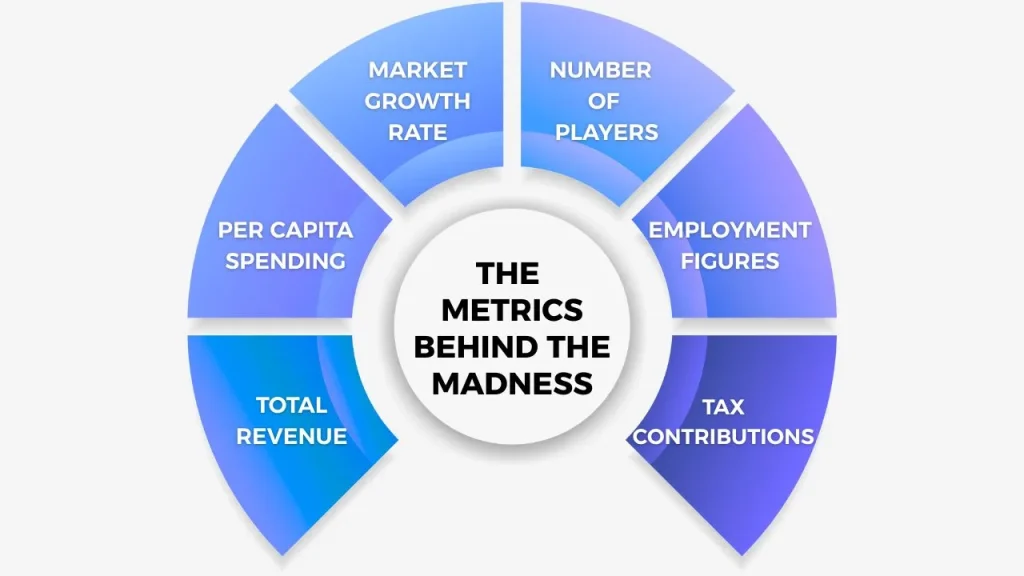
Understanding which countries dominate the global gambling landscape requires a closer look at the key metrics that define “the biggest” in this industry.
It’s not just about the total amount of money wagered; different factors offer insight into how deeply gambling is embedded in a country’s economy and culture.
- Total Revenue: The total amount of money generated from all gambling activities, including casinos, sports betting, lotteries, and online gambling.
- Per Capita Spending: How much, on average, each person spends on gambling in a country. This shows how popular gambling is among the population.
- Market Growth Rate: How fast the gambling market is evolving, usually measured by new technology and changes in laws.
- Number of Players: How many people actively participate in gambling, whether in physical venues or online.
- Employment Figures: The number of jobs created by the gambling industry.
- Tax Contributions: How much money governments earn from gambling taxes and fees.
By analyzing these metrics, we can better understand the scale, trends, and economic importance of gambling worldwide.
The Contenders: 15 Nations Where Gambling Rules
1. United States
- Gambling Laws: Each state has their own laws and rules about gambling, which differ from one another. Some states allow casinos and online gambling, while others limit or ban them.
- Key Hubs: Las Vegas (Nevada) and Atlantic City (New Jersey) are iconic gambling destinations.
- Online & Sports Betting: Rapid expansion since the 2018 repeal of PASPA. States like New Jersey and Pennsylvania lead in online sports betting.
2. China (Including Macau)
- Macau’s Gambling Market: Macau remains one of the world’s largest casino markets. Its gaming revenue reached approximately MOP 248.0 billion in 2025, according to official Macau gaming statistics
- Mainland Restrictions: Gambling is mostly illegal in mainland China except for state-run lotteries.
- Tourism-Driven Revenue: Macau relies heavily on tourists from mainland China and beyond.
3. Australia
- Per Capita Spending: Australia is widely recognized as one of the world’s highest gambling-spending markets on a per-capita basis.
- Popular Formats: Poker machines (pokies) are widely used; sports betting is also highly popular.
- Regulation: Each state follows gambling laws, with a strong focus on strategies such as self-exclusion programs and bet limits that minimize harm.
4. United Kingdom

- Regulatory Environment: Known for a well-structured and transparent gambling market.
- Regulator: The UK Gambling Commission oversees all gambling activity.
- Popular Activities: Sports betting, online casinos, and national lotteries dominate consumer preferences.
5. Japan
- Casino Development: The Integrated Resort (IR) model is being introduced to boost tourism and exert control on gambling access.
- Pachinko: A culturally unique and semi-legal form of gambling, widespread and socially accepted.
- Integrated Resorts: Japan has approved a regulated integrated-resort model that includes casino gaming. MGM Osaka is currently planned to open in 2030, making it Japan’s first casino resort.
6. Canada
- Provincial Control: Gambling is regulated by provinces; Ontario and British Columbia lead in market size.
- Online Gambling: Legalised and growing rapidly, especially with the launch of Ontario’s iGaming market.
- Indigenous Casinos: Many are run by Indigenous communities, helping local economies grow.
7. Germany
- Regulatory Landscape: Historically restrictive, but recent reforms (GlüNeuRStV) allow online gambling under strict guidelines.
- Regulatory Landscape: Germany introduced its nationwide regulatory framework for online gambling through the GlüNeuRStV, which took effect in 2021.
- Consumer Trends: Sports betting remains a top choice among German gamblers.
8. Italy
- Habits & Preferences: Lotteries, VLTs, sports betting.
- Cultural Influence: Gambling has long had a historical connection with the state, often associated with chance and hope.
- Behavior: Italian gamblers often play regularly but in small amounts, with a strong presence of community-based gambling.
9. France

- Regulator: AND (Autorité Nationale des Jeux) regulates the gambling industry.
- Monopoly vs. Private: The state retains a monopoly over some forms, such as lotteries, while online sports betting is open to licensed private operators.
- Cultural Preferences: Horse racing and the national lottery are especially popular.
10. Singapore
- Casino Resorts: Marina Bay Sands and Resorts World Sentosa are world-renowned integrated resorts.
- Controlled Access: Locals must pay a levy to enter casinos that discourages excessive gambling.
- Regulation: Highly regulated with an emphasis on responsible gambling and social safeguards.
11. South Korea
- Domestic Limitations: Locals can only gamble legally at one casino, Kangwon Land.
- Popular Forms: Sports betting (via government-approved platforms) and lotteries.
- Illicit Market: Underground and online gambling operations pose ongoing regulatory challenges.
12. Spain
- Decentralized Regulation: Each autonomous region manages gambling laws and licenses.
- Online Growth: One of Europe’s fastest-growing online gambling markets.
- Tourism: Casino resorts in destinations like Madrid and Barcelona attract international players.
13. Philippines
- Casino Development: Manila is home to large integrated resorts like Okada Manila and City of Dreams.
- POGO Ban: The Philippines banned POGO and related offshore gaming operations in 2024 following concerns about crime, fraud, and other risks associated with the sector. The market continues to include regulated casino and gaming operations under PAGCOR.
- Economic Role: Gambling is a major contributor to government revenues and tourism.
14. South Africa
- Leading Market in Africa: Most developed gambling infrastructure on the continent.
- Popular Formats: Casinos and sports betting, especially on football and horse racing.
- Challenges: Illegal gambling remains a significant issue despite strict regulation.
15. Sweden
- Regulator: Spelinspektionen enforces strict consumer protection standards.
- Online Dominance: A high percentage of gambling activity occurs online.
- Focus Areas: Consumer safety, responsible gambling, and strict advertising limits.

Gambling Market Comparison: Revenue and Key Drivers
Gambling revenue figures vary by market because countries and territories use different reporting definitions and include different gambling segments. The figures below should therefore be used as indicative market estimates rather than a strict like-for-like ranking.
| Country | Estimated Annual Revenue | Key Drivers | Growth Areas |
|---|---|---|---|
| USA | $60+ billion | Las Vegas, Atlantic City, online sports betting, mobile gaming | Rapid growth in online sports betting and iGaming post-PASPA repeal |
| UK | $15–18 billion | Sports betting, online casinos, and lotteries | Highly regulated and diversified online market |
| China (Macau) | $20–25 billion | High-stakes casino gaming, VIP junket tourism | Limited mainland growth; Macau remains the hub |
| Japan | $30–40 billion | Dominated by Pachinko (quasi-legal) | Integrated Resorts (IRs) to expand after legalization |
| Australia | $20–25 billion | High per capita gambling spend, poker machines (pokies), and online sports betting | World's highest gambling spend per person |
| Canada | $12–15 billion | Provincial lotteries, casinos, and online gambling | Ontario’s iGaming market is driving digital growth |
| Italy | $12 billion | Sports betting, lotteries, video lottery terminals (VLTs) | Despite high taxes, demand remains strong |
| Germany | $10–12 billion | Sports betting, online slots | Legalized online gambling via the GlüNeuRStV treaty |
| France | $10 billion | Lotteries, horse racing, and online sports betting | |
| Philippines | $5–7 billion | POGOs (offshore), integrated casino resorts | International revenue is driven by offshore operators and tourism-focused casino resorts |
| Spain | $5–6 billion | Lotteries (ONCE, SELAE), online betting | Online gambling continues to rise, especially among younger demographics |
| South Africa | $2–3 billion | National lottery, sports betting, and casinos | Online betting is expanding under a regulated framework |
| Sweden | $2–2.5 billion | State-run and licensed online operators, sports betting | Transparent and regulated online gambling environment |
| South Korea | $8–10 billion | Kangwon Land Casino, lotteries, horse racing | Growth in limited local gambling and online lottery systems |
| Singapore | $5–6 billion | Marina Bay Sands, Resorts World Sentosa | Focused on integrated resorts and tourism-based gaming |
Gambling Culture Across Major Markets
Gambling is more than an economic activity. Rather, it’s a cultural phenomenon which reflects national identities, social norms, and historical traditions.
Around the globe, gambling habits and preferences differ significantly, shaped by legislation, religion, societal attitudes, and local customs. Here’s a detailed look at how gambling manifests culturally in some of the world’s top gambling nations:
1. United States
- Habits & Preferences: Casino gaming (especially slots and table games), sports betting, lotteries, and poker.
- Cultural Influence: Las Vegas has turned gambling into a form of entertainment. The recent rise in fantasy sports and online betting is also a sign of the country’s competitive, sports-driven mentality.
- Behavior: Gambling is seen as a form of leisure and personal freedom, though concerns about addiction and responsible gaming are growing.
2. China (Macau & Mainland)
- Habits & Preferences: In Macau, table games, especially baccarat, are the most popular. People from the mainland prefer games of chance more than games of skill.
- Cultural Influence: Gambling has ancient roots in Chinese culture, often associated with luck, fate, and social status.
- Behavior: Gambling is a high-stakes, high-prestige activity, particularly among wealthier individuals. In contrast, mainland China’s strict stance has pushed many to offshore or illegal markets.
3. Australia
- Habits & Preferences: Pokies (slot machines) are extremely common in pubs and clubs. Sports betting is also popular.
- Cultural Influence: Gambling is deeply ingrained in Australian social life and widely accepted.
- Behavior: High-frequency gambling is normalized, though rising concerns about gambling harm have led to strong public health campaigns.
4. United Kingdom
- Habits & Preferences: Sports betting (especially on football), horse racing, lotteries, and online casino games.
- Cultural Influence: A long history of betting shops and televised betting odds has made gambling mainstream.
- Behavior: Regular, small-stakes betting is common and socially accepted. However, there’s growing scrutiny on advertising and youth exposure.
5. Japan
- Habits & Preferences: Pachinko is the dominant gambling pastime; legal casino gambling is emerging.
- Cultural Influence: Gambling is both widespread and discreet. Pachinko parlors are everywhere but are often considered a recreational activity, not “gambling” in the Western sense.
- Behavior: Gambling is often solitary and mechanical, anti-parallel to the social atmosphere of Western casinos.
6. Canada
- Habits & Preferences: Lotteries, casinos, and online sports betting are popular. Bingo and VLTs are common in certain provinces.
- Cultural Influence: Gambling is viewed as a regulated, legitimate form of entertainment, especially in provinces with strong government oversight.
- Behavior: Canadians show moderate gambling habits, with increasing interest in online and mobile platforms.
7. Germany
- Habits & Preferences: Sports betting, online slots, and lotteries.
- Cultural Influence: Traditionally cautious toward gambling, but changing attitudes with the legalization of online gambling.
- Behavior: Germans are generally risk-averse, favoring regulated environments and low-stakes play.
8. Italy
- Habits & Preferences: Lotteries, VLTs, sports betting.
- Cultural Influence: Gambling has long had a historical connection with the state, often associated with chance and hope.
- Behavior: Italian gamblers often play regularly but in small amounts, with a strong presence of community-based gambling.
9. France
- Habits & Preferences: Lottery, horse racing (PMU), sports betting.
- Cultural Influence: State monopolies have shaped the gambling culture, which is formal and conservative.
- Behavior: Gambling is seen more as a tradition or pastime than a lifestyle.
10. Singapore
- Habits & Preferences: Casino gambling and lotteries; controlled betting on sports.
- Cultural Influence: Gambling is carefully balanced between entertainment and social risk.
- Behavior: Locals tend to gamble with caution due to cultural and legal restrictions (e.g., entry levies for citizens).
11. South Korea
- Habits & Preferences: Lotteries, sports betting, and occasional casino visits to the only legal venue for locals (Kangwon Land).
- Cultural Influence: Strong societal stigma against gambling, especially for addiction-related issues.
- Behavior: Many gamble quietly or travel abroad; illegal online gambling is a concern.
12. Spain
- Habits & Preferences: Lotteries (like El Gordo), online betting, casino tourism.
- Cultural Influence: Gambling is viewed as festive and family-inclusive, especially during holidays.
- Behaviour: Lottery participation is high across all ages and social groups.
13. Philippines
- Habits & Preferences: People enjoy casino gambling, online betting (like POGOs), and local lotteries.
- Cultural Influence: Gambling is popular but also controversial because it’s linked to economic chances and sometimes crime.
- Behavior: Many locals gamble socially, but religious and ethical beliefs affect how they view gambling.
14. South Africa
- Habits & Preferences: Casinos, horse racing, and sports betting.
- Cultural Influence: Gambling is widely accepted in urban centres, often tied to social gatherings.
- Behaviour: Gambling varies widely by region and demographic, with economic disparity influencing access.
15. Sweden
- Habits & Preferences: Online casinos, lotteries, and sports betting.
- Cultural Influence: Regulated and socially responsible, with a strong emphasis on consumer protection.
- Behavior: High online participation but relatively cautious spending habits, aided by national self-exclusion tools.
Want to Know more about Global Gambling Market
The Rise of Digital Gambling Giants
-
Technological Advancements and Accessibility:
- The widespread use of smartphones and high-speed internet has transformed how people gamble.
- Online platforms allow users to play casino games anytime and from anywhere.
- This convenience has made gambling more accessible than ever.
-
Diverse Gaming Options:
- Digital gambling platforms offer a wide range of betting options.
- These include online casinos, sports betting, poker rooms, and virtual slots.
- The variety attracts a broad audience with different gaming interests.
-
Cutting-Edge Technology:
- Live streaming technology enables real-time interactive gaming experiences.
- Artificial Intelligence (AI) personalizes gameplay and helps detect fraud.
- Secure payment systems ensure smooth, safe transactions and build player confidence.
-
Global Expansion:
- Major gambling companies operate across multiple countries and markets.
- They adapt to local regulations and cultural preferences to attract millions of global users.
The Future Outlook: Emerging Markets & Investment Opportunities
Countries such as India, Brazil, and Nigeria are experiencing rapid growth in online betting expansion, attracting local startups and global investors. For investors, the combination of growing player numbers, better regulations, and advanced technology offers exciting opportunities.
To be successful in these markets, companies must be aware of local laws, respect how people perceive gambling, and encourage safe and responsible gambling to help the industry grow healthily.
Conclusion
Market size alone does not tell the whole story. Regulation, digital adoption, consumer protection, technology, and market growth also influence how important a gambling market becomes. For businesses entering or expanding in this industry, understanding these differences is essential when selecting technology, developing digital platforms, and planning for regulated markets.
FAQs
- What risks are associated with online gambling?
Gambling addiction, losing money, gambling when underage, and possible scams are all risks. Reputable sites provide tools and support that help players in dealing with these concerns.
- What technologies are shaping online gambling?
The main technologies helping online gambling grow are mobile apps, live video for real-time betting, artificial intelligence (AI), blockchain for better security, and the use of cryptocurrencies for payments.
- Is online gambling legal everywhere?
No. Online gambling laws are very different in each country or region. Some places allow and control it, while others have strict bans or limits. Always check the rules where you live before you play.
- How are governments responding to online gambling?
Different governments are doing different things in response. Some are making rules stricter to protect consumers, while others are making internet gambling legal and taxing it to make money and keep the industry in check.
- Are responsible gambling programs effective?
Yes. Responsible gambling tools like self-assessment tests, spending limits, and behaviour tracking help reduce problem gambling and encourage safer, more controlled play.
- How can players stay safe while gambling online?
Players should choose sites that are licensed and regulated, set boundaries on how much time and money they may spend, not chase losses, and get treatment if gambling starts to hurt their lives.
- What are the economic benefits of gambling?
The economic benefit of gambling is that it helps in job creation, drives tourism, and contributes significantly ot overall tax revenue.
Want to know more
about Gambling
Read out the Related Blogs
Recent Post
-
API-First iGaming Software: Everything Operators Need to Know in 2026
-
The Best Online Casino Bonuses That Attract More Players
-
iGaming Platform Migration: How to Switch Software Providers Without Losing Players or Data
-
Predictive Analytics in Social Casinos: How Platforms Know What Players Want Next
-
Top 10 White Label Online Casino Software Providers for Startups