

UK Gambling Industry Faces Renewed Compliance Pressure
Highlights
- The closure of BresBet and Bet St George has renewed debate about compliance standards and licensing requirements in the UK gambling sector.
- Recent regulatory cases highlight continuing weaknesses in anti-money laundering and safer gambling controls.
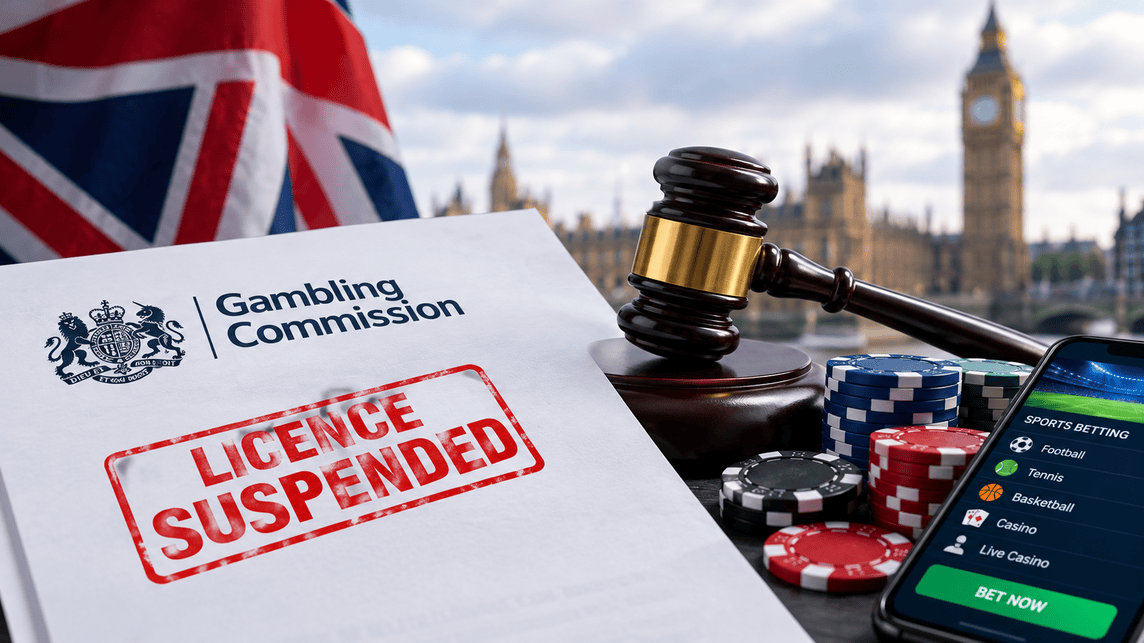
The UK gambling industry is facing renewed scrutiny following the collapse of BredBet and Bet St George after the Gambling Commission suspended their licences over suspected anti-money laundering and social responsibility failures. The two operators had only recently begun operating under their own licences.
The Gambling Commission suspended both licences with immediate effect on 28 August after launching formal reviews under section 116 of the Gambling Act 2005. The operators subsequently surrendered their licences and closed their websites.
The cases have raised questions about whether it is too easy for businesses to obtain gambling licences in Britain. However, industry observers have also warned against assuming that every enforcement case demonstrates a fundamental weakness in the licensing system.
The discussion came shortly after the Gambling Commission reached a £600,000 settlement with QuinnBet. The case involved concerns including ineffective monitoring, delayed customer interventions and weaknesses in source-of-funds controls.
Other recent enforcement actions have also involved major gambling businesses. The Commission reached settlements of £900,000 with Betfred, £4.75 million with Evolution and £122,835 with Stakelogic over separate compliance issues.
Industry experts have pointed out that many problems do not necessarily result from an absence of formal policies. Instead, weaknesses can occur when technology, algorithms and operational processes fail to work effectively in practice.
There is also a debate over whether increasing licensing barriers would improve compliance. While stronger requirements could prevent unsuitable operators from entering the market, critics argue that excessive restrictions could reduce competition and entrepreneurship.
For regulated operators, the growing number of enforcement cases presents both a compliance and reputational challenge. Industry leaders are therefore calling for stronger monitoring systems and better implementation of existing controls to reduce avoidable regulatory failures.
For the full news story, Read Here!